

Executive Summary
Artificial intelligence has quickly become one of the most discussed topics in finance, and transferable tax credits are no exception. The conversation usually follows the same pattern: Can AI review documents? Can AI summarize legal opinions? Can AI replace due diligence? They're reasonable questions, but they focus on the wrong problem. The real opportunity isn't replacing experts — it's allowing experts to spend more time applying judgment and less time searching for information. That distinction matters, because institutional transactions aren't limited by intelligence. They're limited by time.
“The future isn't fewer experts. It's fewer repetitive tasks.”
AI Is Being Asked the Wrong Question
Across almost every industry, AI is introduced with the same expectation: can it replace people? The transferable tax credit market is still young. Section 6418 of the Inflation Reduction Act created this market in 2022, giving companies a way to purchase clean energy tax credits directly for the first time, and it has grown quickly since, expanding to roughly 42 billion dollars in 2025. That growth has brought more capital, more counterparties, and more diligence work with it, which is exactly why the question of AI keeps coming up.
Can AI replace tax advisors, engineers, law firms, or insurance underwriters? Probably not, nor should it. These professionals exist because judgment matters, interpretation matters, and experience matters. Institutional transactions are built on professional judgment, and AI doesn't replace judgment — it amplifies it.
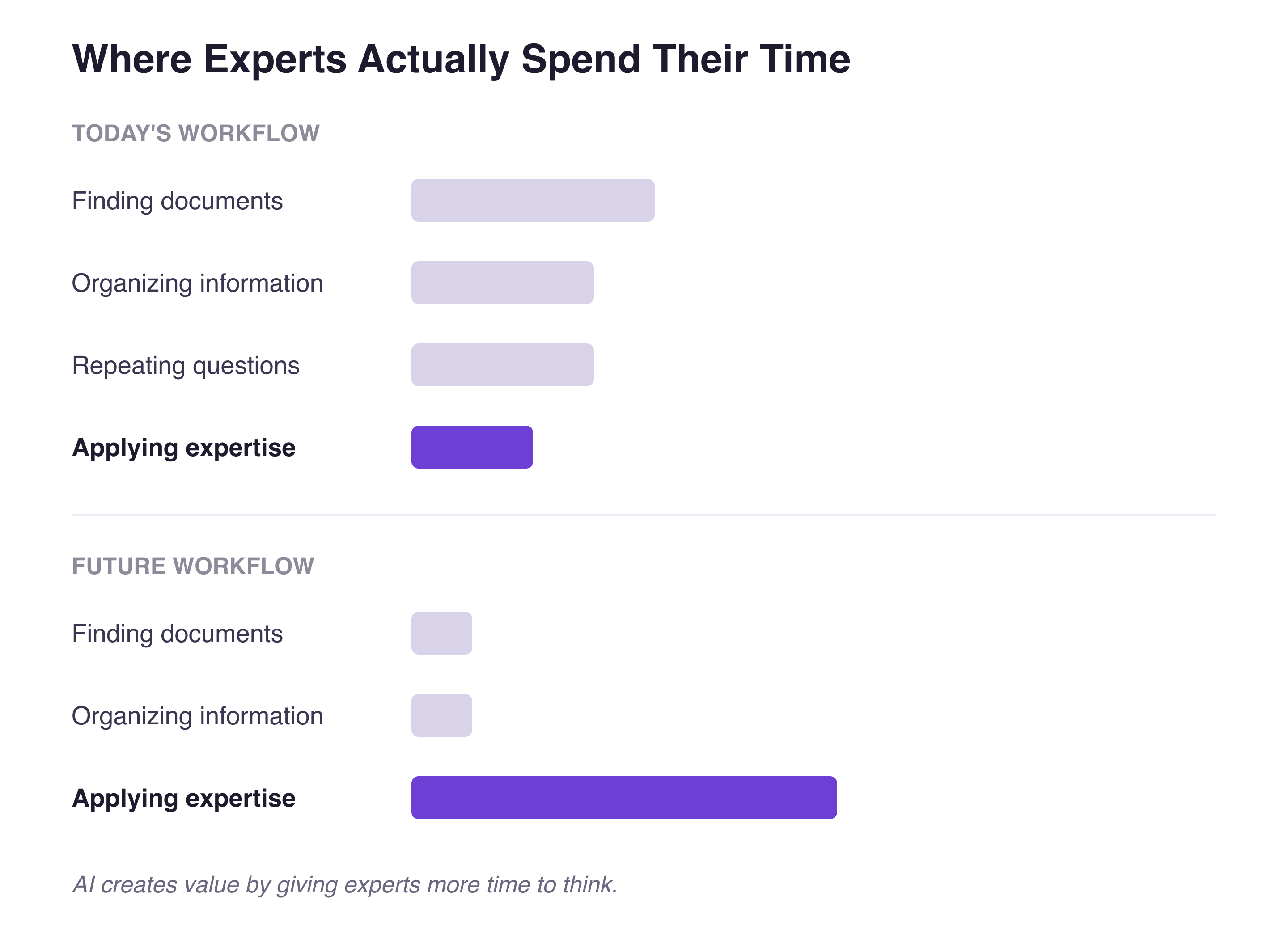
The Real Bottleneck Isn't Expertise. It's Repetition.
Every transaction generates similar work. The same engineering reports are reviewed, the same legal provisions are interpreted, the same diligence questions are asked, and the same summaries are created, again and again. This isn't because people are inefficient — it's because every transaction starts with a blank page. Imagine if every completed transaction made the next one easier, not by replacing professionals, but by preserving knowledge instead of losing it. That's where AI becomes genuinely useful.
Market Insight: Every completed transaction generates valuable knowledge. Today, much of that knowledge disappears when the deal closes.
Good AI Doesn't Give Answers. It Gives Context.
One of the biggest misconceptions about AI is that it should make decisions. Institutional buyers don't want that, and neither do advisors. Good AI doesn't tell professionals what to conclude — it helps them understand information faster. It highlights inconsistencies, surfaces relevant documents, connects related evidence, summarizes previous analyses, and shows what changed. The decision still belongs to the expert; AI simply makes arriving at that decision more efficient.
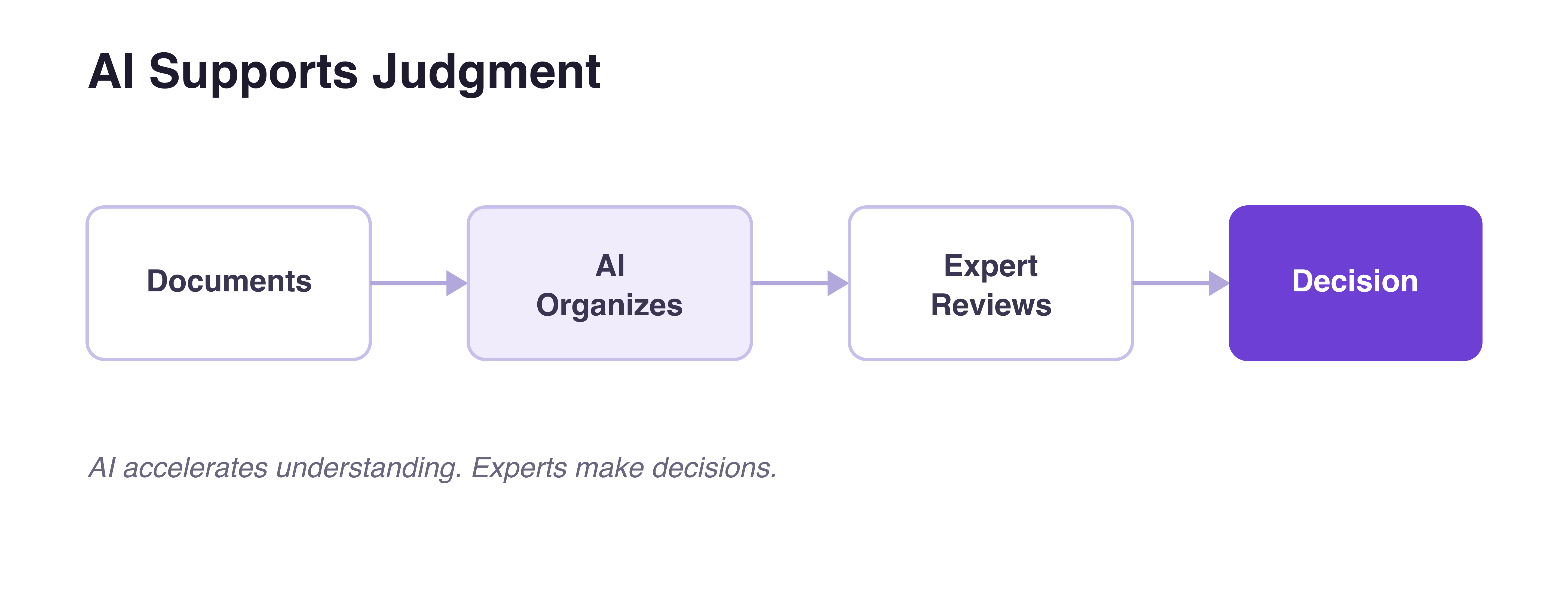
The Best AI Is Almost Invisible
Think about GPS. People don't admire GPS because it replaces driving — they admire it because it quietly removes unnecessary effort. The same will happen in institutional finance. The most valuable AI won't be the one producing the longest answers. It will be the one quietly removing repetitive work: finding information, connecting evidence, tracking changes, highlighting risks, and preserving institutional knowledge. The less attention AI draws to itself, the more valuable it becomes.
Better Decisions Require Better Information
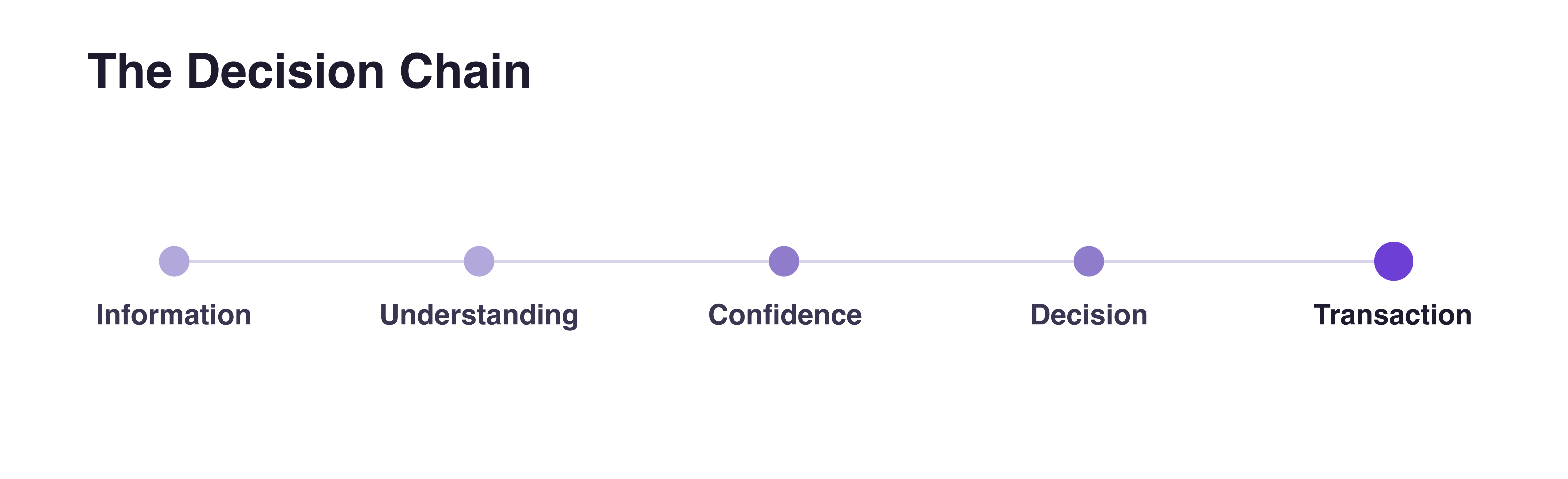
Institutional transactions don't fail because professionals lack expertise. They fail because expertise is applied to fragmented information. Better information leads to better decisions, better decisions build confidence, and confidence accelerates transactions. The technology matters, but information quality matters more.
Looking Ahead
Artificial intelligence will undoubtedly become part of the transferable tax credit market, but not in the way many expect. It won't replace lawyers, engineers, or accountants. Instead, it will gradually disappear into the background — removing friction, connecting knowledge, reducing repetition, and allowing professionals to focus on the work only they can do. That is where its long-term value lies.
The Vericap Perspective
We believe the future of transferable tax credit transactions will continue to rely on expert judgment, and technology should strengthen that judgment, not replace it. The organizations that combine experienced professionals with better information, stronger preparation, and more efficient workflows will make better decisions. Ultimately, that's what institutional markets reward: not automation, but confidence.
Key Takeaways
- AI is not replacing due diligence.
- The biggest opportunity is reducing repetitive work.
- Expert judgment remains central to institutional transactions.
- Better information leads to better decisions.
- The future belongs to organisations that combine technology with human expertise.
So Far, on Vericap Insider
- Issue 003 - The Data Room Was Never the Point
More paperwork doesn't win a transferable tax credit deal; understanding does. - Issue 002 - Inside a $50 Million Tax Credit Transaction: What Happens Between the NDA and the Closing Table
Pricing starts the conversation. Confidence closes it. - Issue 001 - Why the Transferable Tax Credit Market's Biggest Problem is No Longer Finding Buyers
The next challenge isn't finding buyers. It's building trust.